
Hello Reader!
Welcome to the blog page of Astrology Books, which has beginner-friendly astrology books for beginners.
Vedic Astrology, also known as Jyotish Shastra, is an ancient science that reveals the connection between cosmic movements and human life. It helps us understand our strengths, challenges, and destiny through the study of planetary positions. Many people today wish to learn Vedic Astrology not only to predict events but also to gain a deeper spiritual understanding of life.
If you’re someone who has always been fascinated by the stars, planets, and their mysterious influence on human existence, this blog will guide you on how to learn Vedic Astrology step-by-step — from the basics to the advanced level.

Before diving into charts and predictions, it’s essential to understand the fundamentals of astrology.
When you learn Vedic Astrology, start with understanding the basic concepts like:
Each of these elements plays a crucial role in shaping an individual’s horoscope. The first step is to familiarize yourself with their meanings and significance.
To grasp these basics easily, you can refer to beginner-friendly astrology books authored by experienced astrologers. My own books available on my website “Astrology Books” are designed to simplify complex concepts for learners who wish to start their journey in this sacred field.
Once you have learned the fundamentals, the next step to learn Vedic Astrology is to understand the Janma Kundali or Birth Chart.
A birth chart is a snapshot of the sky at the exact time and place of a person’s birth. It shows the placement of planets in different zodiac signs and houses, revealing key aspects of one’s life — such as career, health, relationships, and spirituality.
Learning how to read and interpret a birth chart takes patience and practice. You must understand how planetary conjunctions, aspects, and transits influence human behavior and destiny.
If you’re looking for structured guidance, refer to Advanced Astrology Books for Astrologer, which explain planetary yogas, dasha systems, and chart analysis techniques in detail.
In Vedic Astrology, Yogas are unique combinations of planets that create specific outcomes in life. For example:
When you learn Vedic Astrology, understanding these yogas helps you decode the deeper meanings hidden in a birth chart.
My Advanced Astrology Books for Astrologer provide practical examples of yogas and their real-life implications, helping you analyze charts like a professional astrologer.
One of the most unique aspects of Vedic Astrology is the Dasha system — the timeline that governs when specific planetary energies are active in a person’s life.
The Vimshottari Dasha, for instance, divides a human life into periods ruled by different planets.
By learning how to interpret these dashas, you can make accurate predictions about the timing of events in life.
To master this, go beyond the basics and refer to Advanced Astrology Books for Astrologer that provide case studies, chart examples, and interpretations of various Dasha patterns.
Divisional charts provide more precision in astrology. They are like microscopic views of specific areas of life — such as career (D10), marriage (D9), or health (D6).
When you learn Vedic Astrology deeply, studying these charts is essential to refine your predictions.
For example:
You can explore my Advanced Astrology Books for Astrologer, where these concepts are explained with diagrams, examples, and easy-to-follow logic.
Astrology is not just a science — it’s an art that grows with experience.
The best way to learn Vedic Astrology is to practice reading charts regularly.
Start with your own horoscope, then analyze charts of family members and friends. Notice how planetary placements correspond with real-life events.
Keep a journal of your observations and learn from both accurate and inaccurate interpretations.
To develop mastery, keep upgrading your knowledge through Advanced Astrology Books for Astrologer, workshops, and mentorship sessions.
Also Read: A Guide to Astrology for Beginners and Enthusiasts
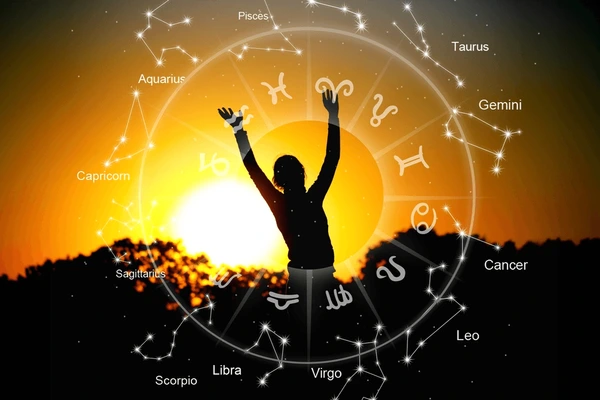
Vedic Astrology doesn’t stop at prediction — it also provides remedies to balance planetary influences.
These remedies may include mantras, gemstones, donations, rituals, or lifestyle changes.
As you learn Vedic Astrology, you must also understand the ethical and spiritual responsibility that comes with it. Astrology is meant to guide, not create fear.
In my writings and lectures, I emphasize the karma-based approach — how our present actions can alter our destiny.
My Advanced Astrology Books for Astrologer also include sections on remedial measures and their psychological and spiritual impact.
To truly excel, one must study from authentic sources.
On my website, “Astrology Books”, you’ll find a collection of books written by me and other renowned astrologers.
These books are designed to help both beginners and advanced learners progress step-by-step.
Whether you wish to learn Vedic Astrology as a hobby or build a professional career, these Advanced Astrology Books for Astrologer will guide you through real examples, predictive techniques, and in-depth case studies.

Mahadashas are long planetary periods ruled by different planets, shaping major phases in a person’s life. Each planet’s dasha influences various life aspects such as career, relationships, health, and wealth. Learning to interpret these periods helps astrologers predict when significant changes or events may occur. The sequence and duration of Mahadashas are calculated using the native’s birth chart and balance of the first dasha at birth, making this study essential for timing predictions.
Transits refer to the current movement of planets in the sky relative to the natal chart. By analyzing transits, astrologers predict short-term events and shifts in life circumstances. Transits affect the house and planet they aspect or occupy, triggering favorable or challenging results depending on their nature. Combining transit analysis with Mahadasha periods provides a robust predictive tool that refines timing and impact assessments.
of Mahadashas and transits empower astrologers to forecast both long-term life trends and immediate occurrences. This layered approach enhances the precision of predictions, making it a fundamental technique covered extensively in advanced astrology books for astrologers. Practicing chart analysis with these methods will deepen understanding and improve predictive skills.
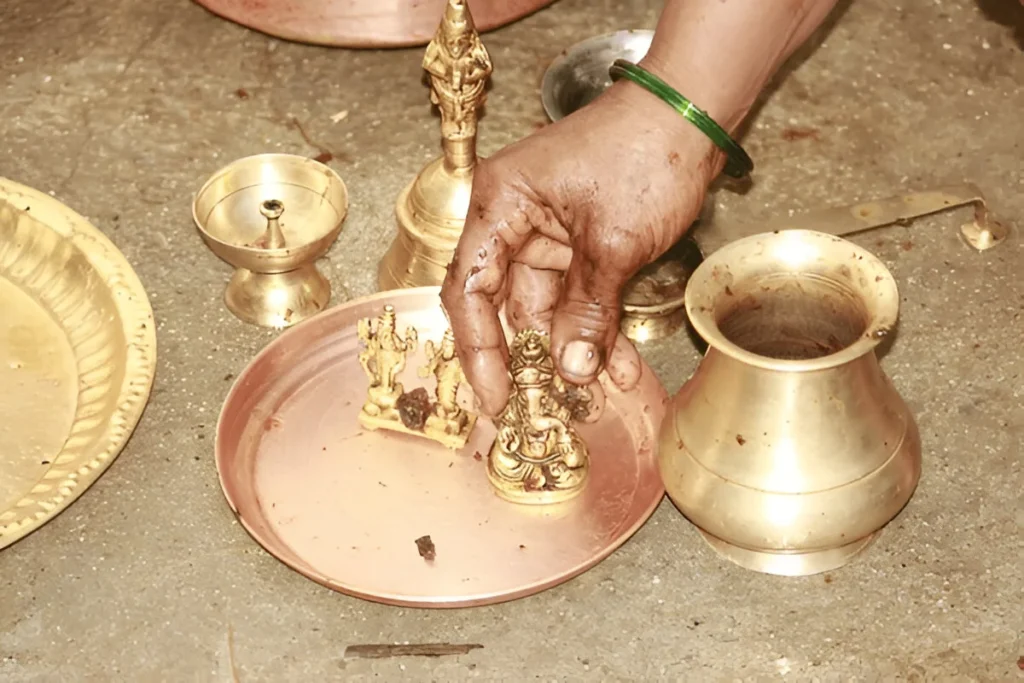
Vedic astrology offers many practical applications in daily life, helping individuals make informed decisions and navigate challenges with greater awareness.
By understanding planetary influences on one’s birth chart, Vedic astrology guides decisions related to marriage, compatibility, and family matters. It helps identify auspicious timings for important events such as weddings, travel, or starting new ventures.
Vedic astrology aids in career planning by highlighting favorable periods for growth, job changes, or business success. It can forecast financial trends and suggest remedial measures during challenging phases, allowing proactive management of resources.
Astrological insights identify vulnerable periods for health and potential hereditary issues, encouraging timely preventive care. Certain planetary remedies and lifestyle adjustments derived from astrology promote overall well-being.
Vedic astrology supports spiritual practices by identifying favorable times for meditation, rituals, and personal growth. It also explains karmic patterns and lifetime lessons, enriching one’s spiritual journey.
From choosing dates for property purchases to planning educational pursuits, astrology offers a systematic approach to decision-making grounded in cosmic timing. This reduces uncertainty and enhances confidence in actions taken.
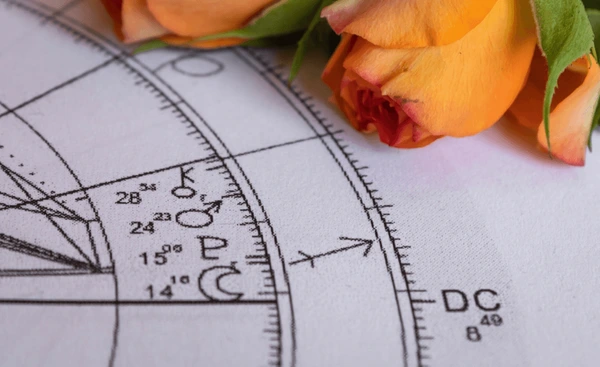
Divisional charts and yogas are advanced tools in Vedic astrology that deepen the understanding of specific life areas and refine predictions.
Divisional charts are specialized charts derived by dividing the zodiac into finer segments. Each divisional chart focuses on a particular aspect of life—for example, the Navamsa (D9) chart reveals marriage and spouse details, while the Dasamsa (D10) chart relates to career and profession. Learning to analyze these charts allows astrologers to examine nuanced influences not apparent in the main birth chart, offering layers of detail for accurate assessments.
Yogas are special planetary combinations that create specific effects, both auspicious and inauspicious, in an individual’s life. They highlight unique strengths, challenges, talents, or events. Understanding yogas helps practitioners predict significant life outcomes and recommend remedies.
Astrologers interpret divisional charts alongside the main chart to provide a comprehensive picture of an individual’s destiny. Identifying yogas within these charts gives insights into key life themes and timings of important events. Mastery of divisional charts and yogas is essential for advanced practitioners and is extensively covered in “Advanced Astrology Books for Astrologer” for those who wish to learn Vedic astrology in depth.
This combination of tools elevates the accuracy and depth of readings, making them indispensable in professional astrology practice.

Common challenges faced when learning Vedic astrology include the complexity of concepts, memorization of planetary combinations, and accurately interpreting charts. Overcoming these difficulties requires systematic study, practice, and guidance from experienced sources.
Vedic astrology involves numerous principles like dashas, transits, divisional charts, and yogas that can be overwhelming initially. Breaking down study into manageable sections and focusing on one topic at a time helps build clarity progressively.
Remembering the meanings of planets, houses, signs, and yogas, and synthesizing them for interpretation, is challenging. Using mnemonic devices, repeated practice, and reference to reliable advanced astrology books for astrologers improves retention and integration of knowledge.
Interpreting charts correctly can be difficult due to subtle planetary influences and complex combinations. Practical experience, cross-referencing predictions with real-life events, and seeking mentorship or peer feedback enhances interpretative skills.
Learning Vedic astrology is a long-term commitment. Staying motivated, being patient with the learning curve, and regular practice are keys to mastery. Utilizing your personalized advanced astrology books and study resources on your website provides structured support throughout this journey.

You can start by understanding the basics — the twelve houses, planets, and zodiac signs. Reading beginner-friendly books and then progressing to Advanced Astrology Books for Astrologers will help you learn Vedic astrology step by step.
Basic math helps in horoscope calculations, but it’s not mandatory. With practice and reference to Advanced Astrology Books for Astrologers, you can easily grasp chart analysis and planetary positions.
It depends on your dedication and practice. Usually, it takes 1–2 years to learn Vedic astrology deeply, but continuous reading and interpreting charts make you more proficient over time.
Start with authentic books and study materials. My website, Astrology Books, offers trusted Advanced Astrology Books for Astrologers that guide learners from basics to advanced predictive techniques.
Yes, many online courses and e-books are available. Combine them with high-quality Advanced Astrology Books for Astrologers to get both theoretical knowledge and practical insights when you learn Vedic astrology.
Learning astrology is a lifelong journey — a blend of science, intuition, and spirituality.
If you are passionate about understanding human life through cosmic patterns, start today with the right guidance and commitment.
To learn Vedic Astrology in its true depth, begin by mastering the basics, then gradually explore advanced topics like yogas, dashas, and varga charts from Dr. Sohini Sastri.
And most importantly — keep learning, keep observing, and keep growing.
Explore my collection of Advanced Astrology Books for Astrologer on Astrology Books to begin or enhance your journey toward becoming a true astrologer.