
Hello Reader!
Welcome to the blog page of Astrology books, Advanced Astrology Books for Astrologer.
In Vedic astrology, planets influence different areas of life through their positions, conjunctions, and aspects. While benefic influences can support growth, prosperity, harmony, and opportunities, certain planetary aspects may create challenges, delays, pressure, or obstacles. These are commonly discussed as malefic aspects in Vedic astrology.
Understanding planetary aspects is an important part of horoscope interpretation. However, an aspect should not be interpreted in isolation. The nature of the planet, house placement, zodiac sign, dignity, strength, conjunctions, planetary periods (Dashas), and the overall horoscope all contribute to the final interpretation.
For students and practitioners who want to study astrology systematically, Advanced Astrology Books for Astrologer can provide deeper knowledge of planetary relationships, house significations, aspects, Dashas, and predictive techniques.

In Vedic astrology, an aspect is known as Drishti, which literally means “sight” or “vision.” A planet casts its influence on another house or planet through its aspect.
The most fundamental rule is that every planet has a 7th-house aspect from its position. For example, if Mars is placed in the 3rd house, its regular aspect falls on the 9th house.
However, some planets have additional special aspects:
These aspects can significantly influence the houses and planets they fall upon.
Malefic aspects in Vedic astrology generally refer to aspects from planets considered naturally malefic or to planetary influences that produce challenging results in a particular horoscope.
The naturally malefic planets traditionally include:
However, calling an aspect “malefic” does not automatically mean that it will produce a negative event.
A planet that is naturally malefic may become functionally beneficial depending on the Ascendant and house ownership. Similarly, a naturally benefic planet can produce difficult results under certain circumstances.
This is why malefic aspects in Vedic astrology must be examined in the context of the entire birth chart.
Saturn is associated with discipline, responsibility, delay, endurance, hard work, limitations, and long-term lessons.
Saturn has special aspects on the:
When Saturn strongly influences a house, it may indicate delay, responsibility, restriction, or a need for sustained effort in matters represented by that house.
For example, Saturn’s influence on the 7th house may indicate a serious approach to relationships or responsibilities in partnership. It does not necessarily indicate denial of marriage or an unhappy married life.
The complete horoscope must be considered before reaching a conclusion.
Mars represents energy, courage, competition, action, ambition, aggression, and initiative.
Mars has special aspects on the:
Mars’ aspect can increase energy and assertiveness in the house it influences. In some circumstances, this may manifest as competitiveness, conflict, impatience, or impulsiveness.
For example, Mars influencing the 7th house is sometimes discussed in connection with Manglik Dosha, depending on its exact placement and the tradition of analysis being followed.
However, Mars can also provide courage, initiative, determination, and the ability to confront difficult situations.
Therefore, describing every Mars aspect as purely harmful would be an oversimplification.
Rahu is associated with ambition, material desires, unconventional experiences, obsession, innovation, foreign influences, and strong worldly aspirations.
Rahu’s influence can intensify the matters represented by the house or planet it affects. Depending on the chart, this may create unusual opportunities as well as confusion, excessive desire, instability, or unconventional circumstances.
Different schools of Vedic astrology use different rules regarding Rahu’s aspects. Therefore, students should understand the specific interpretive system they are following rather than mixing multiple approaches.
Ketu is associated with detachment, spirituality, introspection, separation, unusual experiences, and liberation-oriented tendencies.
Its influence may sometimes create detachment or dissatisfaction regarding worldly matters represented by a house.
At the same time, Ketu can support spiritual insight, research, concentration, and deeper investigation.
Consequently, malefic aspects in Vedic astrology should be interpreted according to the nature of the planet and the specific context of the birth chart.

No.
This is one of the most important principles for anyone learning Vedic astrology.
A malefic planet can sometimes produce constructive results. Saturn, for instance, may create delays but can also encourage discipline, patience, persistence, and responsibility. Mars may generate conflict in certain circumstances, but it can also provide courage and determination.
The final result depends on several factors, including:
Therefore, an astrologer should avoid predicting an outcome based on one aspect alone.
One of the more advanced concepts in Vedic astrology is the distinction between natural malefics and functional malefics.
A planet may naturally be considered malefic, but its functional role can vary according to the Ascendant.
For example, a planet may own particular houses that make its influence more supportive or challenging for a particular Ascendant.
This is why two people can have the same planetary aspect but experience its effects differently.
Understanding functional benefics and malefics is therefore essential for serious horoscope analysis.
Those who want to explore such concepts in greater depth can refer to Advanced Astrology Books for Astrologer, particularly books dealing with planetary strength, house ownership, predictive astrology, and chart interpretation.
The house receiving a malefic aspect is extremely important.
The 1st house represents personality, physical constitution, identity, confidence, and overall approach to life.
A challenging planetary influence here may indicate increased pressure, seriousness, restlessness, or obstacles in self-development, depending on the planet involved.
The 2nd house relates to wealth, family, speech, food habits, and accumulated resources.
A difficult influence may require greater care with finances, family communication, or speech.
The 4th house represents home, mother, emotional security, property, education, and inner peace.
Malefic influence may sometimes indicate responsibilities or disturbances related to these areas.
The 5th house represents education, intelligence, creativity, children, romance, and speculative interests.
Challenging aspects can indicate pressure or delays in these areas, although the ultimate result depends on the strength of the house and its lord.
The 7th house represents marriage, partnerships, business relationships, and public interactions.
Malefic influence here is often carefully examined in relationship analysis. However, it should never be used alone to predict separation, divorce, or marital difficulties.
The 10th house represents profession, career, status, reputation, authority, and major responsibilities.
A challenging influence may bring greater responsibility, delays, workplace pressure, or demanding professional circumstances. At the same time, Saturn or Mars can also contribute to perseverance, leadership, and professional achievement when appropriately placed.
Also Read: Role of Venus in Astrology
Planetary strength plays a major role in determining how an aspect manifests.
An astrologer may examine whether a planet is:
For example, Saturn’s aspect in one horoscope may indicate disciplined long-term effort, while in another it may coincide with significant delays.
Thus, the phrase malefic aspects in Vedic astrology should never be understood as meaning “certain disaster.” It describes a category of potentially challenging planetary influence that requires contextual interpretation.

Benefic planets can sometimes modify challenging planetary influences.
Jupiter, Venus, Mercury, and a strong Moon are traditionally regarded as benefic influences under appropriate circumstances. Their strength, house placement, lordship, and relationship with other planets are important.
For example, a challenging aspect on a house may be moderated when that house lord is strong or receives supportive influences.
This is why experienced astrologers examine the entire planetary network rather than focusing on a single so-called negative aspect.
Planetary aspects become particularly relevant when the concerned planet operates through its Dasha or Antardasha.
A challenging planetary influence may become more noticeable during the period of the planet responsible for that influence.
However, the Dasha system should also be studied alongside:
This integrated approach is important for responsible prediction.
Transits can activate natal planetary configurations.
For example, the movement of Saturn or Jupiter through particular houses can bring attention to areas already indicated in the birth chart.
A transit should therefore not be interpreted independently from the natal horoscope.
Astrology students studying malefic aspects in Vedic astrology should learn to distinguish between natal aspects and temporary transit influences.
Not necessarily.
A challenging influence on the 10th house may indicate professional pressure, greater responsibilities, competition, or delays. But these same influences can sometimes encourage persistence and long-term achievement.
Saturn, in particular, is often associated with gradual development through sustained effort.
Mars can encourage ambition and action, while Rahu may contribute to unconventional career paths or strong worldly ambition.
Therefore, professional astrology requires a broader analysis than simply identifying a malefic aspect.
Malefic influences on the 7th house or Venus are sometimes examined in relationship astrology. However, one planetary aspect cannot independently establish the outcome of a marriage.
A detailed assessment may include:
This comprehensive approach prevents unnecessary fear and overly simplistic predictions.
A systematic approach can make horoscope interpretation more meaningful.
Determine which planet is creating the aspect and whether it is naturally benefic or malefic.
Determine what houses the planet owns for the particular Ascendant.
Check the sign, house, dignity, Nakshatra, and overall strength of the planet.
Understand what area of life receives the aspect.
Look for conjunctions, additional aspects, yogas, and supportive planetary influences.
Determine whether the planetary influence is currently activated.
Only after considering all these factors should an astrologer formulate an interpretation.
This systematic methodology is particularly valuable for students looking for Advanced Astrology Books for Astrologer who want to move beyond basic Sun-sign astrology and understand traditional chart analysis in greater depth.
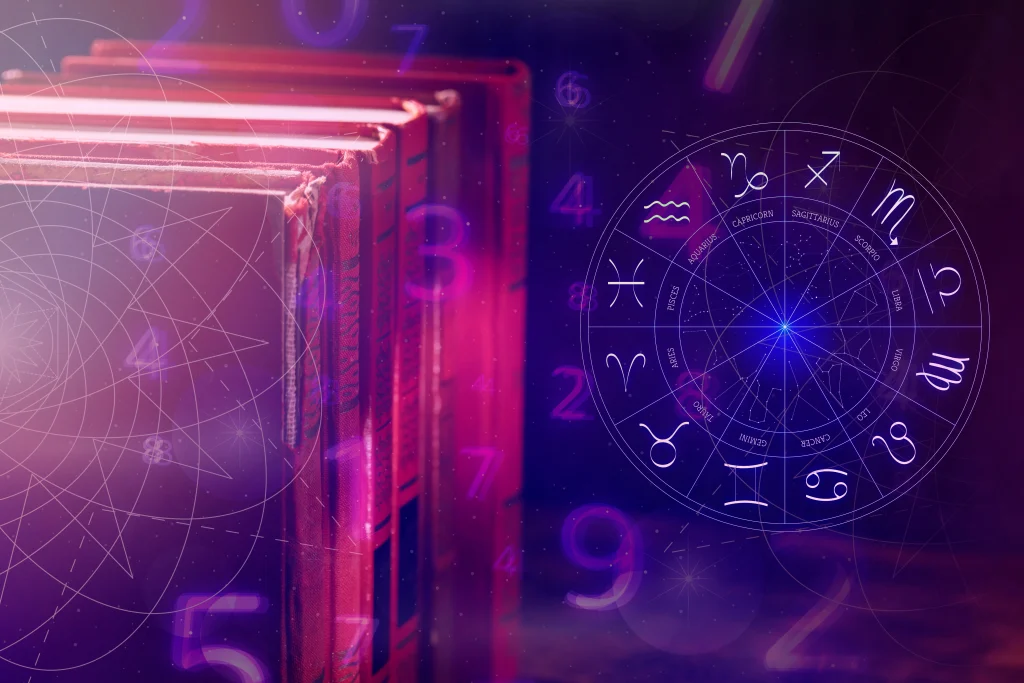
Astrology has many interconnected principles. Learning isolated rules such as “Saturn is malefic” or “Mars causes problems” can lead to oversimplified interpretations.
Advanced study involves understanding:
For serious students and practitioners, Advanced Astrology Books for Astrologer can serve as valuable learning resources for developing a structured approach to horoscope interpretation.
Malefic aspects in Vedic astrology are an important part of understanding planetary influences in a birth chart. They can indicate challenges, delays, responsibilities, pressure, or transformation, but their effects are not universally negative.
The nature of the planet, its functional role, house placement, strength, dignity, conjunctions, other aspects, Dashas, transits, and the overall horoscope must all be considered.
Astrology is most meaningfully studied as a complete system rather than through isolated rules. For students, practitioners, and astrology enthusiasts seeking deeper knowledge, exploring Advanced Astrology Books for Astrologer can help build a stronger foundation in classical concepts and advanced predictive techniques.